
Directory pricing pages can be vague. "More visibility" and "priority placement" sound good in theory, but it's hard to know what that translates to in practice. This article breaks down what free listings actually include, what specifically changes when you go featured, and how to think about the upgrade decision without overthinking it.
The short version: free listings are more valuable than most founders treat them, and featured listings are worth it in specific situations - not universally. Let's look at both honestly.
What a Free Listing Actually Gets You
A free listing on a well-curated directory is more valuable than most people treat it. Here's what you typically get:
- A permanent indexed page for your project with your name, description, and category
- A dofollow backlink to your site - this is the primary SEO value
- Inclusion in category browsing and site-wide search
- Basic visibility for anyone filtering by your category or searching your project name
That dofollow backlink is not a small thing. From a domain with genuine authority and consistent traffic, a single dofollow link contributes meaningfully to your own site's search ranking signals over time. The free directories worth submitting to in 2026 are worth your time specifically because the backlink quality is there - not just the traffic.
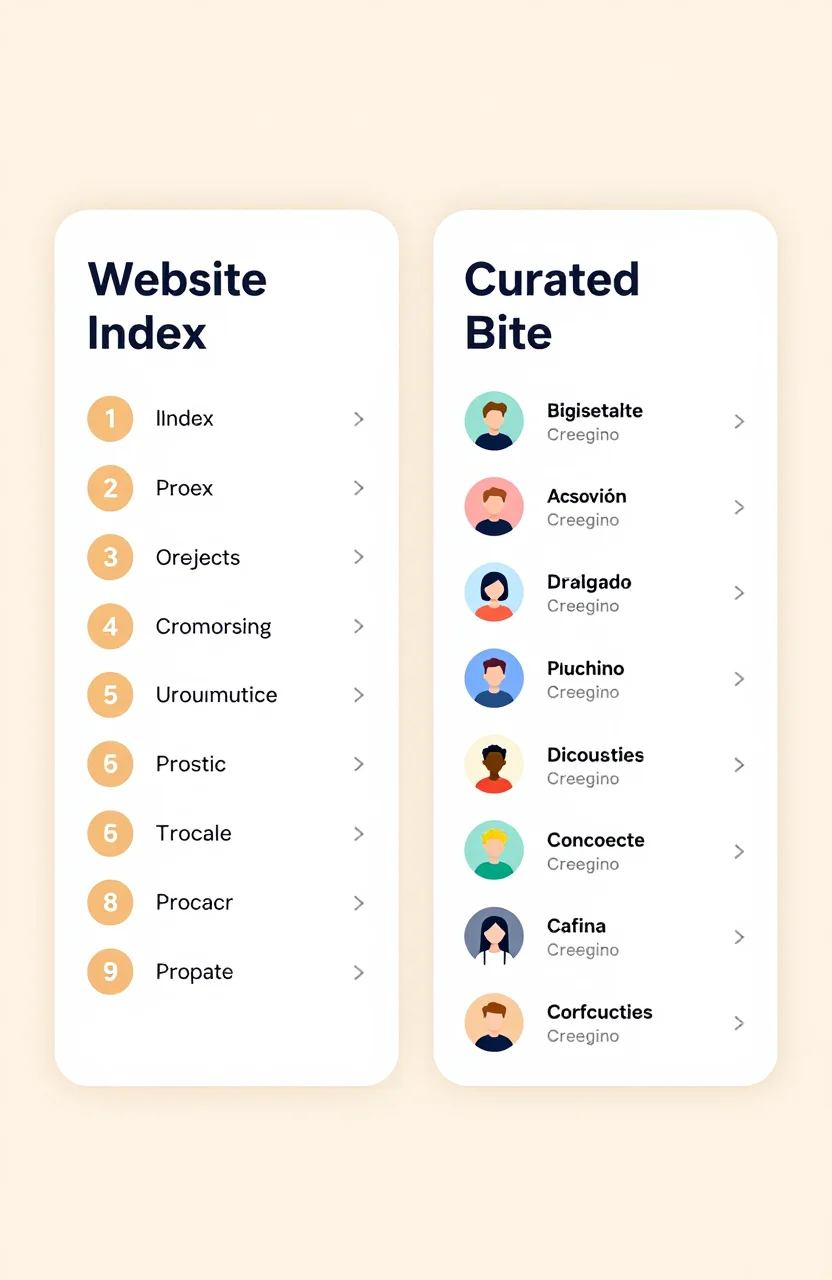
Free listings do have limits. On most directories, they appear after featured listings in category pages. They don't carry the visual markers that draw a browser's eye. And on high-traffic directories, a free listing buried on page three of a category will get few organic clicks regardless of how strong the description is.
What Changes With a Featured Listing
Featured listings typically change three things: where your listing appears, how it looks, and what secondary exposure you get.
Placement and Homepage Exposure
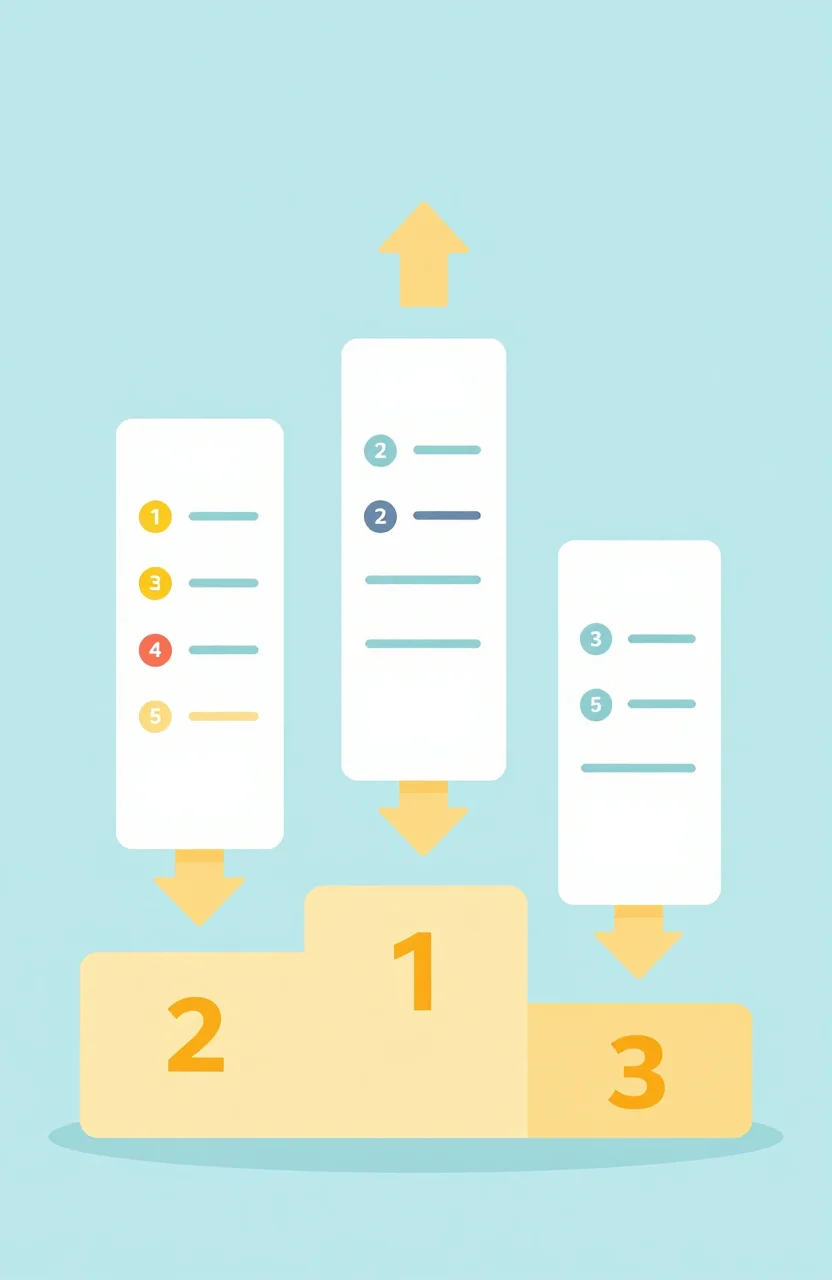
On most directories, featured listings appear at the top of category pages - above the free listings that follow alphabetically or by date. Some directories also rotate featured projects on the homepage or in a "highlighted this week" section visible to all visitors, not just people browsing your specific category.
This placement difference has a direct effect on click-through rate. Studies on directory-style sites consistently show that listings in the top three positions capture the majority of clicks in a category. If your category has 40 free listings, being featured means appearing in the first visible cluster rather than requiring someone to scroll or paginate.
Badges and Trust Signals
Featured listings often carry a visual badge - a small marker that signals "this is a verified or promoted project." The effect is subtle but real. Users browsing a long list of projects use visual cues to filter quickly. A badge creates a split-second bias toward clicking, especially for visitors who don't already know your project name.
Some directories also include featured projects in newsletter roundups or social media posts they publish to their audience. That secondary exposure is harder to quantify but can deliver a meaningful spike in referral traffic, particularly around the time of first publication.
The Backlink Equation Across Both Tiers
Here's something worth knowing: on most reputable directories, both free and featured listings include dofollow backlinks. The SEO value of the link itself doesn't change based on your tier - it comes from the domain authority of the directory and the relevance of the linking page.
What the featured tier changes is the visibility and traffic potential of your listing - not the technical link value. So if your primary goal is pure backlink equity, a free listing on a high-authority directory delivers the same signal as a featured one. If your goal is traffic and brand visibility, featured placement earns its cost on active directories with regular browsing traffic.
This distinction matters for prioritization. You shouldn't upgrade every listing. You should upgrade on the directories where real humans browse and where placement actually affects who sees you.
When Upgrading Makes Sense
A few situations where featured placement has a clear ROI:
- Your category has strong browsing traffic - there are real visitors looking, not just crawlers indexing
- The directory has newsletter or social distribution for featured projects
- You're launching or relaunching and want a visibility spike at a specific moment
- Your free listing is buried below many competitors in a competitive category
If none of those apply - if the directory is primarily an SEO play with minimal human browsing traffic - the featured tier rarely pays off.
Before upgrading, check whether there's a coupon available. Directories occasionally offer discounted featured listings for new signups or seasonal promotions. The WebProjectList coupons page is worth checking before paying full price.
Making the Decision Without Overthinking It
Here's a practical rule: start free on every directory. Collect three months of referral traffic data using UTM parameters. If a directory is consistently sending engaged visitors and your free listing is buried in the category, consider upgrading. If it's sending zero traffic, upgrading won't change that - placement only helps if people are already browsing.
The exception is a directory launch or special promotion where featured status comes with newsletter or homepage exposure. In that case, the upgrade is buying a specific one-time distribution event, not just placement, and it can be worth it regardless of your existing traffic data.
Check the full feature comparison for WebProjectList's tiers on the pricing page to see exactly what each level includes before committing. The breakdown is specific enough to make a clear decision without reading between the lines.