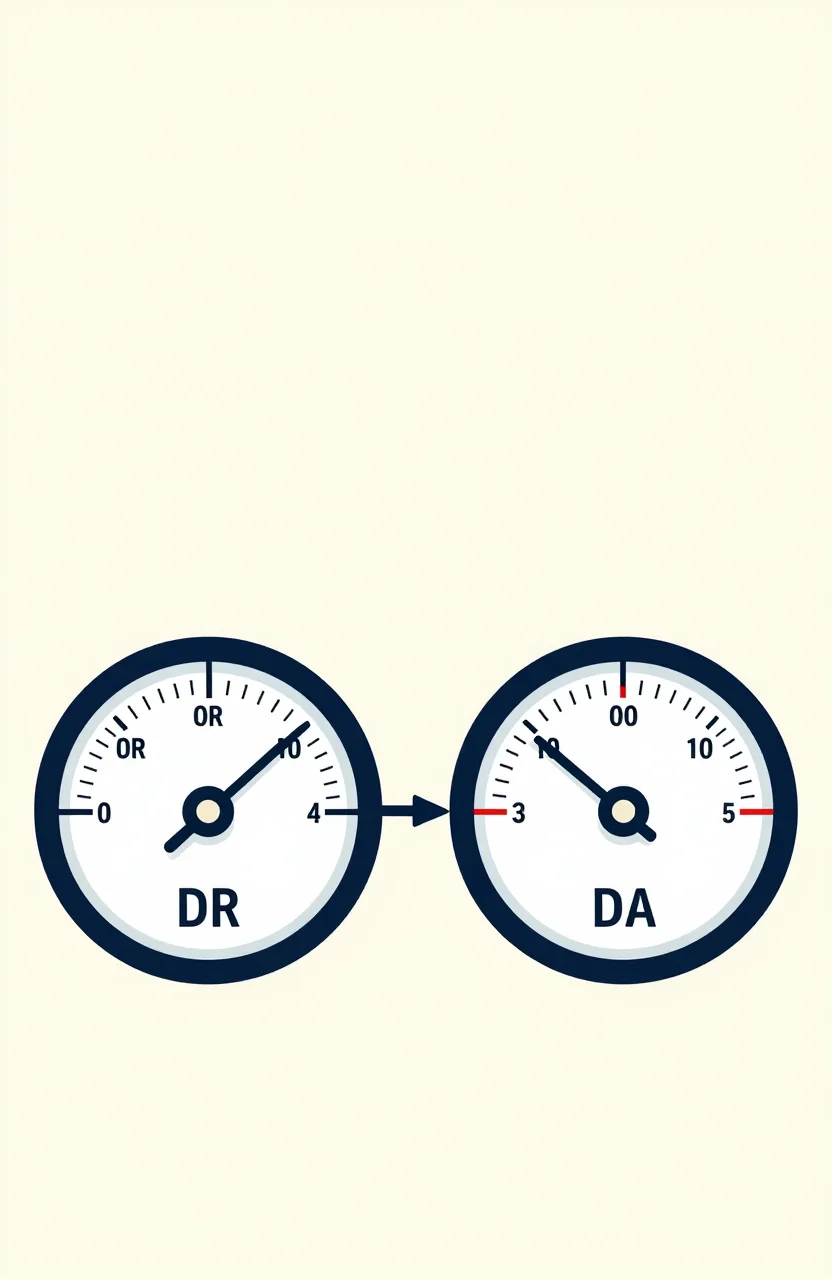
Two scores, two questions
When you weigh a directory link, you are really asking two things: how strong is this domain's backlink graph, and how likely is my page to rank? Domain Rating answers the first, Domain Authority the second. At WebProjectList we point to DR because it maps directly to the link you receive.
What DR actually measures
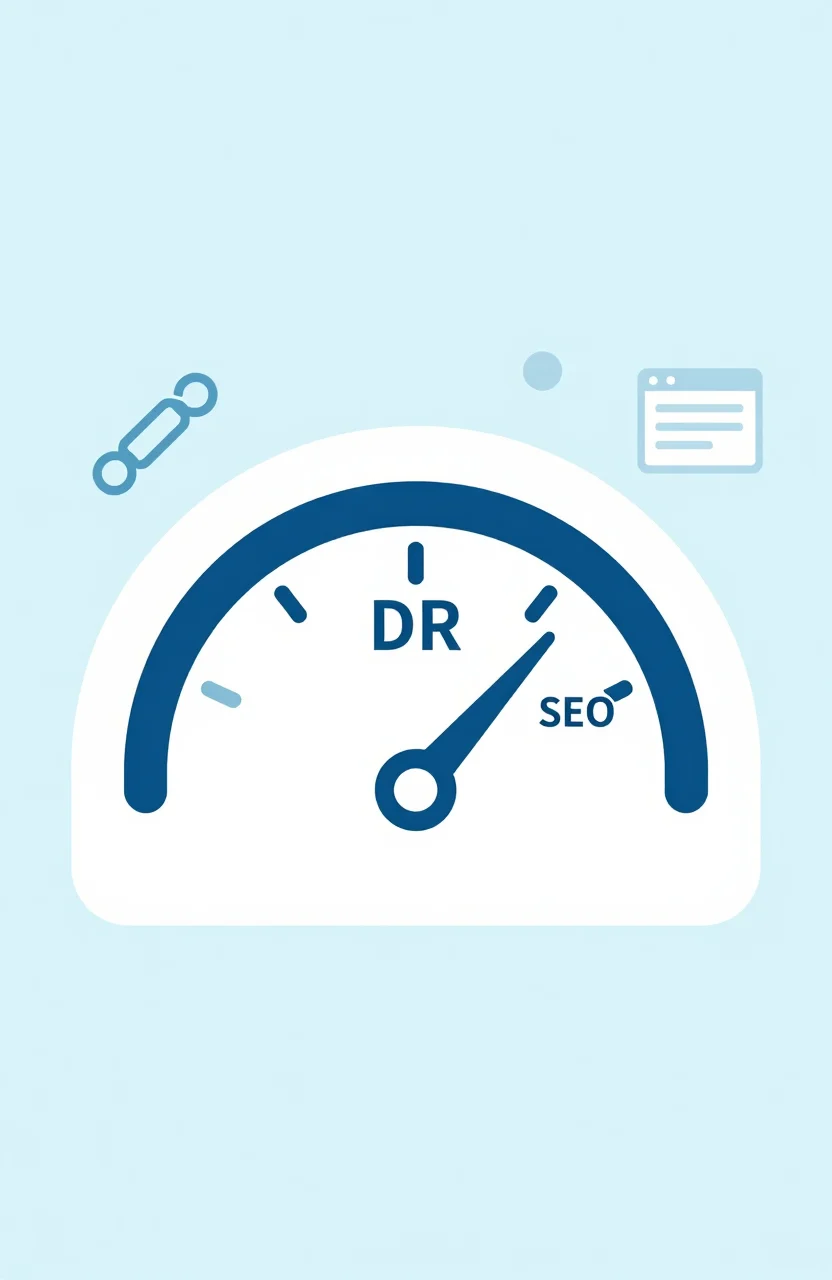
DR, from Ahrefs, scores the strength of a site's backlink profile from 0 to 100. It is logarithmic, so moving from 40 to 50 is harder than 20 to 30. A few links from strong sites beat hundreds of weak ones.
What DA actually measures
DA, from Moz, predicts ranking potential on a similar scale using linking root domains run through a model trained on real rankings. Two sites with the same DA can rank very differently once content and intent enter the picture.
The key difference for link builders
| Question | DR | DA |
|---|---|---|
| What it tells you | Backlink strength | Ranking likelihood |
| Best for | Judging a link | Estimating rankings |
| Used by Google | No | No |
Why DR leads our directory
A dofollow link from a high-DR domain passes more equity than many low-DR links combined. That is why a WebProjectList listing is framed around authority: the link you get is the asset, and DR describes its weight.
Reading the two together
Use DR to rank link prospects, DA to estimate where a page might land. A directory strong on both and relevant to your niche is the ideal placement. Relevance still decides whether the traffic converts.
Myths worth dropping
- DR and DA are interchangeable. They are not.
- A high score guarantees rankings. Content and intent still decide.
- Only DR matters. DA helps you size up the competition.
How to actually raise your DR
DR climbs when stronger sites link to you. The practical path is a stack of relevant dofollow backlinks: a directory like WebProjectList for the base, then guest posts and comparison pages in your niche. Avoid buying links from unrelated sites, which inflate the number without real context.
Watch the curve, not the daily number
A steady rise from DR0 to DR30 over a few months is healthy. A jump of 20 points in a week usually means low-quality links that can fall just as fast. Patience with relevant links wins, and a WebProjectList listing is the patient foundation every profile needs.
Using DA to size up rivals
While DR judges your links, DA helps you estimate where competitors rank. Pull the DA of the top ten results for your target keyword and you get a realistic picture of the effort required. Then use DR to plan the links that close the gap.
A practical DR and DA worksheet
Turn the theory into a habit with a simple worksheet. For your target keyword, list the top ten ranking pages and note each one's DA. Note your own DA underneath. The gap tells you roughly how much authority you need to compete, and the dofollow links from WebProjectList are the first steps that close it.
Then list the domains linking to those top pages and check their DR. You will see clusters of strong sites that appeared repeatedly. Those are your outreach targets. A WebProjectList listing will not replace a guest post on a DR80 blog, but it gives the baseline that makes editors take your site seriously.
Common reporting mistakes
Founders obsess over daily DR moves, which are noisy. Report DR monthly, not weekly, and pair it with a second metric like referring domains, which is harder to fake. A rising DR with a flat referring-domain count usually means a few large links; a rising DR with rising referring domains means broad, healthy growth.
DA has its own trap: comparing DA across tool versions. Moz updates the model periodically, so a DA drop is not always a real loss. Anchor your decisions on your own trend and on WebProjectList's dofollow link as a constant, rather than on a single third-party number that shifted underneath you.
WebProjectList and your DR baseline
Because WebProjectList passes a dofollow link, it becomes the DR baseline your profile grows from. Every later link builds on top of it, and search engines see a consistent, relevant foundation rather than a sudden jump. That consistency is exactly what healthy profiles look like over time.
Use the worksheet above, then add your WebProjectList link as the first row of the tracker. As you earn guest posts and comparison pages, the baseline keeps the curve smooth. A smooth curve from a real dofollow source beats a jagged one padded with weak links.
DR, DA, and the sibling network effect
One quiet advantage of listing on WebProjectList is the network around it. Curated directories that link to each other create a small web of relevant authority, and your listing sits inside it. A dofollow link from WebProjectList is not isolated; it is part of a healthier neighbourhood than a random link farm offers, which search engines reward.
Use that context when explaining links to a partner or investor. A DR baseline built on curated, relevant directories reads as legitimate growth, not link buying. The DA of your rivals tells you the target; the DR from WebProjectList and its peers tells you the path.
For the execution, read our dofollow backlink guide and browse the directory to see listed projects.