
You finish a directory form, hit submit, then notice the listing page marks outbound links as nofollow. The usual reaction is to treat the whole submission as wasted time. That reflex is too blunt.
Nofollow does change what you get from a directory link. It does not automatically make the listing worthless. The useful question in 2026 is not "is nofollow a backlink?" It is "does this nofollow listing still help discovery, trust, or referral traffic enough to justify the minutes you spend?"
This article is a submit decision guide. It does not rehash HTML attributes. For attribute definitions, use the existing dofollow vs nofollow guide. For inspecting live HTML after a listing goes live, use the directory link verification checklist.
What nofollow directories still deliver
Search engines have treated nofollow as a hint for years. That means you should not plan a ranking strategy around nofollow directory links. If your only goal is equity flow into a new domain, prioritize platforms that publish clean dofollow links and skip the rest of this debate.
Many founders still care about three outcomes that do not require PageRank:
- Referral clicks from people browsing categories or search inside the directory
- Brand discovery when a buyer Googles your product name and finds a third-party listing
- A public footprint that shows the project exists outside your own marketing site
Those outcomes depend on the directory's audience, not on the rel attribute. A nofollow listing on a curated niche board that your buyers already use can outperform a dofollow link on a dusty general directory nobody visits. The opposite is also true: a nofollow dump site with thin categories and outbound spam is almost never worth a submission, even if the form is free.
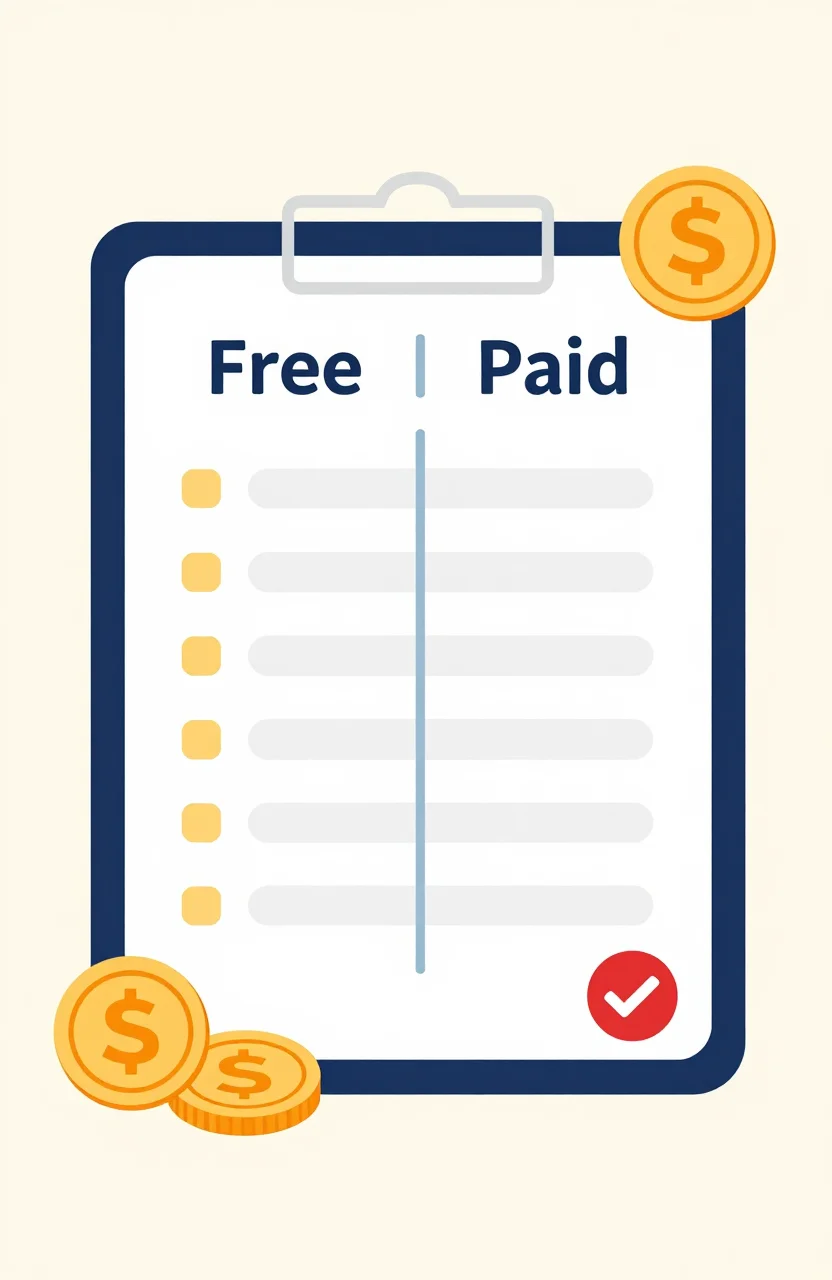
Think in two columns. Column one is link equity. Column two is traffic and discovery. Nofollow mainly hurts column one. It does not automatically erase column two.
When keeping a nofollow submission still makes sense
Keep the submission when at least two of these signals are true.
First, the directory has a real browsing habit. You can see recent listings, active filters, or category pages that look maintained. If the homepage has not changed in years and every listing looks identical, discovery value is probably dead.
Second, your category match is tight. A browser extension, design tool, or local service that sits in the right shelf gets more accidental clicks than a vague "web apps" dump. Category fit matters more on nofollow platforms because you are buying attention, not equity.
Third, the listing supports proof you already need elsewhere. Store URLs, demo links, pricing pages, and short product summaries help buyers compare options. Some nofollow directories still feed those comparison moments even when they do not pass ranking juice.
Fourth, the time cost is low. If you can reuse an existing blurb, logo, and screenshots in under ten minutes, a maybe-useful nofollow listing is cheap insurance. If the form demands custom essays, phone verification, and paid "expedited review" with no traffic proof, walk away.
A practical rule: submit nofollow directories that look like discovery products. Skip nofollow directories that look like link farms wearing a directory costume.
When you should skip nofollow directories
Skip when the only promised benefit is SEO. Phrases like "boost rankings," "guaranteed backlinks," or "high DA links" attached to a nofollow policy are a mismatch. The marketing copy and the HTML are telling different stories.
Skip when you cannot verify the outbound link at all. Some directories accept the listing, then hide the URL behind login walls, cloaked redirects, or JavaScript widgets that never render a crawlable anchor. If you cannot inspect the live page, you cannot decide whether the listing is even doing discovery work.
Skip when your month-one link budget is already full of stronger free options. A new site usually gets more from a short stack of quality dofollow listings and a few high-trust profiles than from twenty nofollow forms. Start with the order in free backlink opportunities, then fill leftover time with nofollow only if the audience fit is obvious.
Skip when the directory mixes your project with adult spam, crypto pumps, or scraped content farms. Even a click from that neighborhood is the wrong kind of click. Brand association matters for early projects.
Tie every decision to rel verification
Do not trust the sales page. Many directories say "dofollow" in the pricing table and ship nofollow, sponsored, or ugc in the markup. Others say nothing and still publish a clean followable link. Your decision loop should look like this:
- Estimate discovery value before you submit.
- Submit only if discovery value or confirmed dofollow policy clears your bar.
- After approval, open the live listing and verify the actual rel values.
- Log the result so the next founder hour is spent on platforms that matched the promise.
Verification is what turns a one-off guess into a system. If a "dofollow" directory repeatedly ships nofollow, demote it in your stack. If a quiet nofollow directory keeps sending signups, keep it even though equity is off the table.
For the inspection steps themselves, follow the verify guide linked above. This article only needs one extra habit: write the outcome next to the directory name. A simple note like "nofollow, 12 referral sessions in 30 days" beats a spreadsheet of untested claims.
A simple submit scorecard for nofollow directories
Score each candidate from 0 to 2 on four questions, then add them up.
Audience fit. Would your ideal buyer browse this category on purpose? Vague mega-directories score low. Niche boards score higher.
Maintenance. Are new listings appearing, broken links getting cleaned, and spam getting removed? Dead inventories score zero.
Friction. Can you submit with assets you already have? Heavy custom work scores low unless traffic proof is strong.
Honesty. Does the site describe link attributes accurately, or does it sell SEO theater? Misleading claims are a red flag even before you look at HTML.
Total 6 to 8: submit if the time cost is small. Total 3 to 5: only if you have leftover capacity after stronger free links. Total 0 to 2: skip. This scorecard keeps you from debating philosophy on every form.
If you want a curated starting map of partner boards and resource pages after the first listing, use backlink resources as the hub, then apply the same nofollow filter before you expand.
What to do after you decide
When you keep a nofollow listing, treat it like a traffic experiment. Add a UTM on the destination URL if the directory allows custom links. Check referrals after two to four weeks. Keep the listing live if people arrive and bounce into product pages. Update the copy if they bounce immediately. Remove or ignore the listing if nothing happens and the page looks abandoned.
When you skip, protect the hour. Put that time into a dofollow directory with real moderation, a partner directory that matches your niche, or content that earns editorial links. Nofollow is not "bad." Misallocated founder time is bad.
The 2026 takeaway is narrow. Nofollow directory links are still worth submitting when discovery is plausible and the cost is low. They are not worth submitting when the pitch is SEO equity you will never receive. Verify the rel, measure the clicks, and let those two facts decide the next form you open.