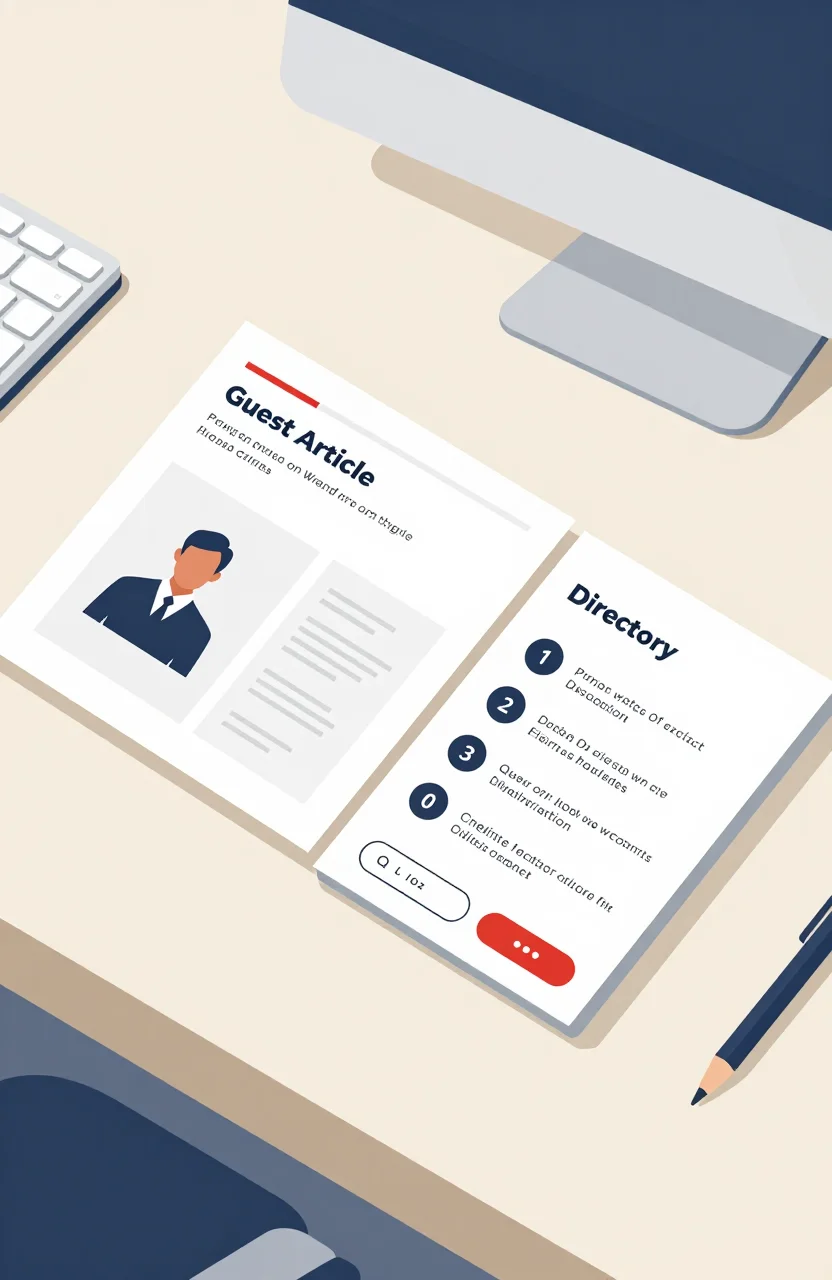
You have a web project, limited hours, and a list of "get backlinks" tactics that all claim to be essential. Two options show up in almost every thread: guest posts and directory links. They are not interchangeable. One buys you narrative space on someone else's domain. The other buys you a durable listing in a catalog people browse by category and keyword.
This article compares guest posts and directory links for web projects - SaaS, tools, agencies, content sites - so you can pick based on time, cost, and discovery goals instead of habit.
What you actually get from each channel
A guest post is an article you write (or pay someone to write) that lives on another site. The upside is context: you can explain the problem you solve, show screenshots in words, and earn a link from a paragraph readers already trust. The downside is production cost. A decent post takes research, drafts, edits, and often weeks of editorial delay. Outreach alone can burn evenings with no publish date attached.
A directory link is a structured listing: name, short description, category, maybe a screenshot or tags, plus a URL. Readers who land on a directory are often in research mode. They compare options the way they scan an app store. You get less storytelling space, but you get repeatable discovery and a link that usually stays up without renegotiating every quarter.
For early projects, directories also create a public proof point you can share in sales calls ("we are listed here"). Guest posts create proof of expertise, which matters more once you have a point of view worth reading for ten minutes.
Time, money, and failure modes
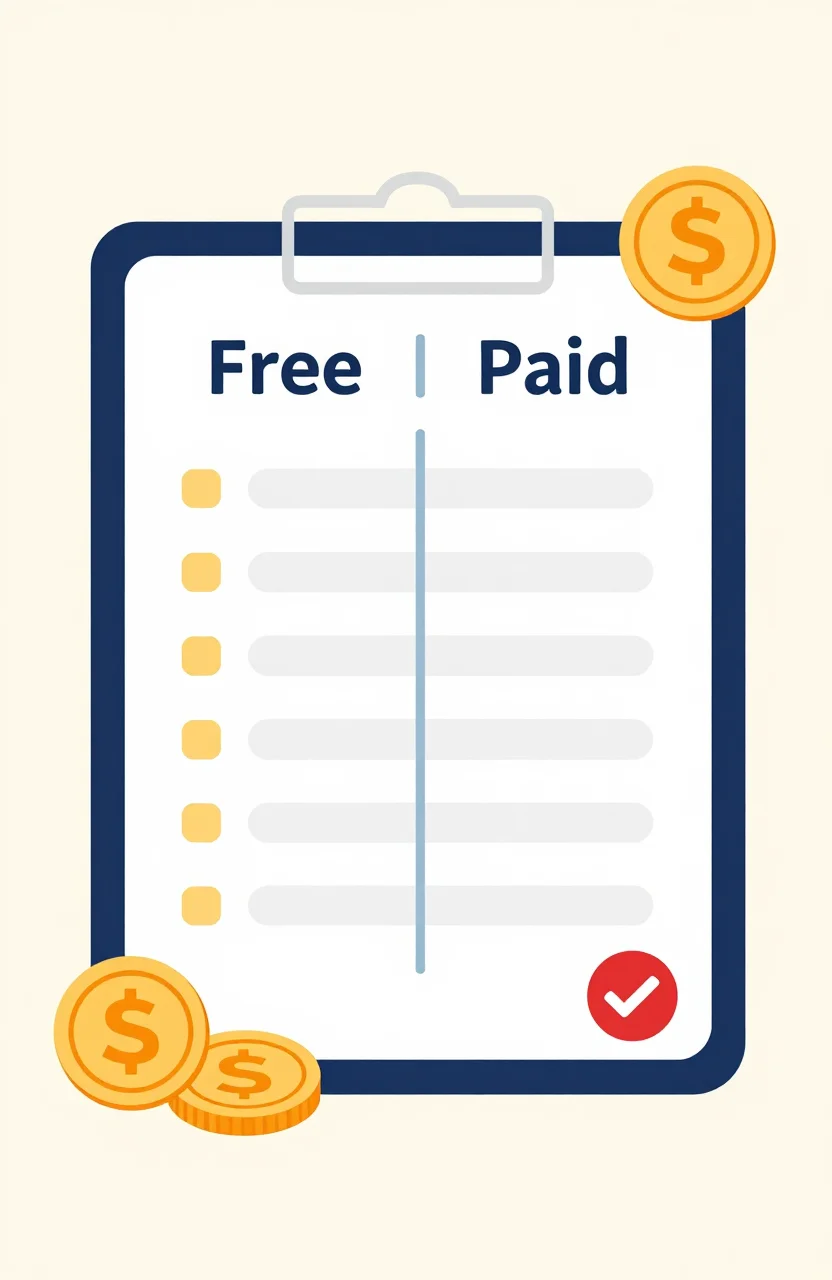
| Factor | Guest post | Directory link |
|---|---|---|
| Typical time to live | 2 to 8 weeks | Same day to a few days |
| Cash cost | Writer fees or your hours | Often free; some paid tiers |
| Main failure mode | Pitch ignored; post never ships | Wrong category; weak copy; nofollow only |
| Best signal | Referral traffic + branded searches | Category browse + steady referral drips |
Guest posts fail quietly. You invest, then wait. Directory submissions fail loudly and fast: rejected, thin listing, or a live page with the wrong link type. That speed is useful. You learn in hours, not months.
If your budget is near zero, start with free directories that match your niche, then add one guest post only when you have a sharp story and a target site that already ranks for your topic. Our breakdown of free backlink opportunities in order helps you sequence the unpaid work without pretending every channel is equal.
When guest posts win for a web project
Choose guest posts when you need explanation. Complex products, new categories, and opinionated founder narratives land better in long form. If your conversion path depends on teaching (how the workflow works, who it is for, what changes after signup), a directory blurb will feel thin.
Guest posts also help when you want a topical link from a site that already ranks for the query you care about. One well-placed article on a niche blog can outperform ten generic directory rows for that specific keyword cluster.
Be honest about capacity. If you cannot ship one solid article per month, do not build a guest-post machine on paper. Ship one, measure referral signups for 30 days, then decide. Volume without editorial fit looks like spam to readers and to publishers.
When directory links win instead
Choose directories when you need coverage and speed. A new domain with thin content history benefits from being findable in catalogs people already use. Listings compound: one solid profile becomes a template you reuse across similar sites.
Directories also fit products that are easy to understand in two sentences. If a visitor can decide "interesting, I will try the demo" from a title and a short pitch, you are in directory territory.
Pick quality over quantity. A shortlist of free web directories worth submitting to beats a spreadsheet of 200 random submission forms. After each live listing, verify the outbound link attributes so you know whether you received a dofollow placement or a traffic-only mention.
When you are ready to place a durable project listing with a clear category fit, create a WebProjectList account and treat that profile as the canonical short description you reuse elsewhere. Consistency across directories reduces the "who is this?" bounce.
A simple decision rule you can reuse
Ask three questions before you spend the next five hours.
- Do buyers need a story, or a scanable option in a list?
- Can I publish something useful on another site within two weeks, or will outreach stall?
- Will a listing stay useful for six months even if I write nothing else?
If the answers lean toward story and you have a publisher path, write the guest post. If the answers lean toward scanable options, fast feedback, and durable URLs, prioritize directories first. Many teams do both: directories as the always-on layer, guest posts as quarterly spikes when a narrative is ready.
Avoid the trap of chasing guest posts only because they sound more "premium," or chasing directories only because they are easy. Match the channel to the job. Your web project needs discovery and trust. Directories and guest posts each buy a different mix of those two. Pick deliberately, log results for a month, and double down on what actually sends people who stick.
That habit - choose, ship, measure - beats any generic ranking of tactics you see on social feeds. Your constraints are local: niche, stage, and hours available this week. Use them.
If you still feel stuck, run a two-week experiment with hard caps: six directory submissions maximum, or one guest outline pitched to three publishers, not both at full intensity. Compare referral sessions and signups at the end. The winning channel earns the next block of calendar time. The losing channel gets paused without drama. Decision rules only work when you protect them from FOMO.