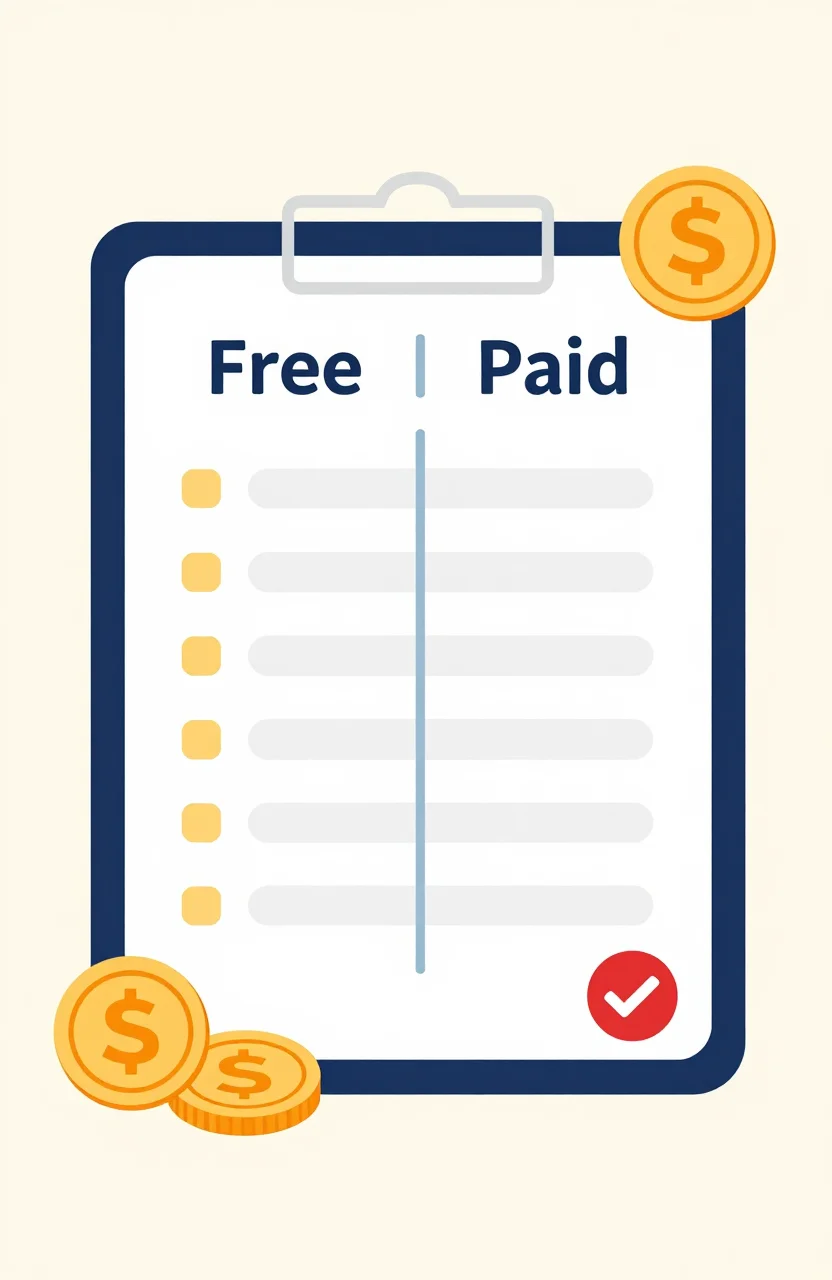
New web projects do not need a six-figure SEO retainer on day one. They need a link budget: a clear split between free work you can do this month and paid placements you unlock when cash or traction appears. Think in dollars and hours, not in a vague "do more backlinks" checklist.
This article lays out a practical budget model for early sites. It is not a ranked free-tactics list. If you want that sequencing, use our guide to free backlink opportunities in priority order. Here the question is different: how much should you spend, on what, and when does paid inventory start to make sense?
Define the budget before you pick tactics
Write three numbers on a sticky note: monthly cash you can spend on links, weekly hours you can spend on outreach or submissions, and a 90-day goal that is measurable (indexed pages with referring domains, referral signups, or demo requests from referral sources).
Cash without hours fails because even paid listings need a clean homepage, accurate category, and follow-up. Hours without cash still work if you stay disciplined, but they plateau when every free slot is filled and quality publishers expect compensation.
A simple starter frame for a solo founder:
- $0 to $50 per month while validating the product
- 3 to 5 focused hours per week on listings and light outreach
- One primary goal: 10 to 20 relevant referring domains in 90 days, not raw link spam
If you already have revenue, raise cash before you raise hours. Buying curated placements is often cheaper than burning founder evenings on low-yield pitches.
Spend free capacity on durable, verifiable listings
Free does not mean random. Your unpaid hours should buy assets that stay live: directory profiles, partner lists, community profiles with a site field, and genuine resource page mentions when you have a useful free tool or dataset.
Prioritize listings you can verify in the HTML and revisit in 30 days. A free dofollow on a maintained directory is worth more than ten forgotten profile URLs you never check. Keep a sheet with cost ($0), hours spent, live URL, and link type observed.
Batch the work. One afternoon for five high-fit directories beats five distracted evenings. Reuse the same short description, then tweak the first sentence for niche directories. That reuse is how a tiny budget still looks professional.
When your free profile is ready, sign up and list the project so you have a canonical entry to copy from. Treat that text as the master pitch for every other free submission in the same month.
Introduce paid spend only when a trigger fires
Paid link budget should start after a trigger, not after a mood. Useful triggers include: free inventory in your niche is exhausted, you have conversion proof from referral traffic, a customer asks "where are you listed," or you need a predictable placement for a launch week.
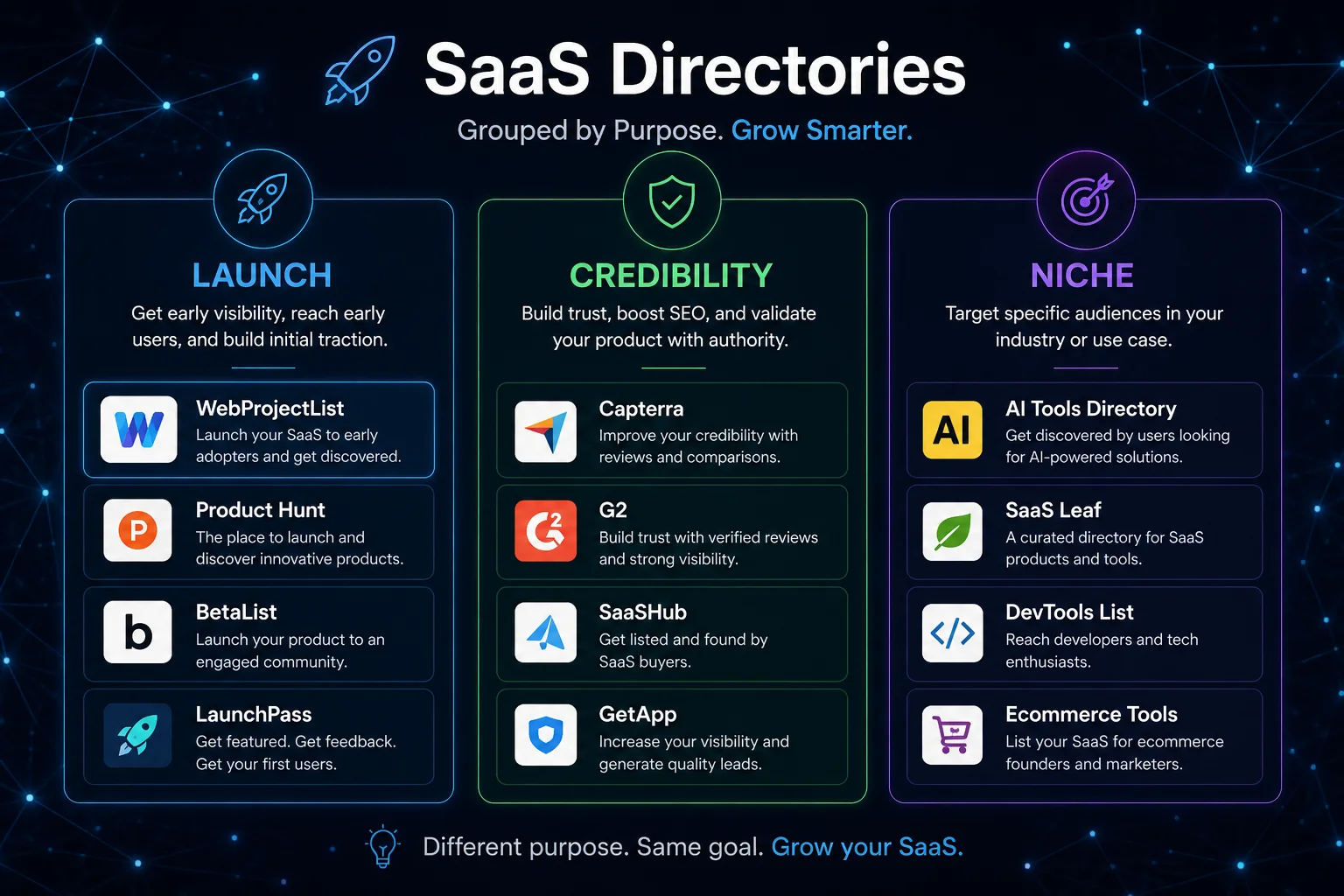
Split paid spend into two buckets. Bucket A is enhanced directory or catalog visibility (featured slots, faster review, clearer dofollow terms). Bucket B is content placements (sponsored articles, niche newsletters with a site link). Bucket A is usually cheaper and faster to test. Bucket B is for narrative and topical authority once you know the story converts.
Before you pay, read the terms. Sponsored markup is normal for paid links. Price the outcome you care about: referral trials, not a vanity metric on a dashboard. If a vendor cannot show where the link will appear, do not buy.
WebProjectList keeps paid options transparent on the pricing page so you can compare free listing habits against paid upgrades without guessing. Soft rule: do not buy an upgrade until your free listing is complete, indexed, and verified. Paying to skip basic setup wastes money.
A 90-day sample allocation
Month 1 (mostly free): finish homepage clarity, submit to a shortlist of relevant directories, claim obvious profiles, log every live URL. Cash spend near $0 unless a single high-fit paid directory is clearly better than five weak free ones.
Month 2 (light paid test): if Month 1 produced referral clicks or signups, allocate $50 to $150 to one upgrade or one niche placement. Keep everything else free. Measure for four weeks before adding more cash.
Month 3 (scale what worked): double spend only on the channel that produced assisted signups or meaningful referral sessions. If nothing converted, do not "scale SEO spend." Fix the landing page and the offer first.
Throughout all three months, protect your hour budget. Cap unpaid outreach so it cannot eat product time. Links support the product; they are not the product.
Mistakes that blow a small link budget
Buying packages of dozens of directory submissions from strangers usually buys noise. You lose control of categories, descriptions, and link attributes.
Spending cash on guest posts before you can explain the product in two sentences is another leak. Paid words cannot fix a confused offer.
Ignoring freemium sequencing is common too: founders pay for featured slots while their basic listing still has a broken URL or an empty description. Fix the free layer, then pay.
Finally, do not treat every dollar as equal. $100 on a niche catalog your buyers already browse beats $100 scattered across unrelated sites. Your budget is a filter. Use it to say no more often than yes.
Keep the model boring on purpose. Free work builds the base. Paid work amplifies what already shows a signal. Review the sheet monthly, adjust the cash and hour caps, and you will avoid both extremes: doing nothing, or buying everything that emails you an invoice.
Write the next month's cash and hour caps on the same sticky note as your goal. When a shiny offer arrives mid-month, check the note before you pay. If it does not fit the cap, park it in a "maybe later" list. Budgets fail when exceptions become the default. A small, defended plan compounds better than a larger plan you renegotiate every time an email lands.