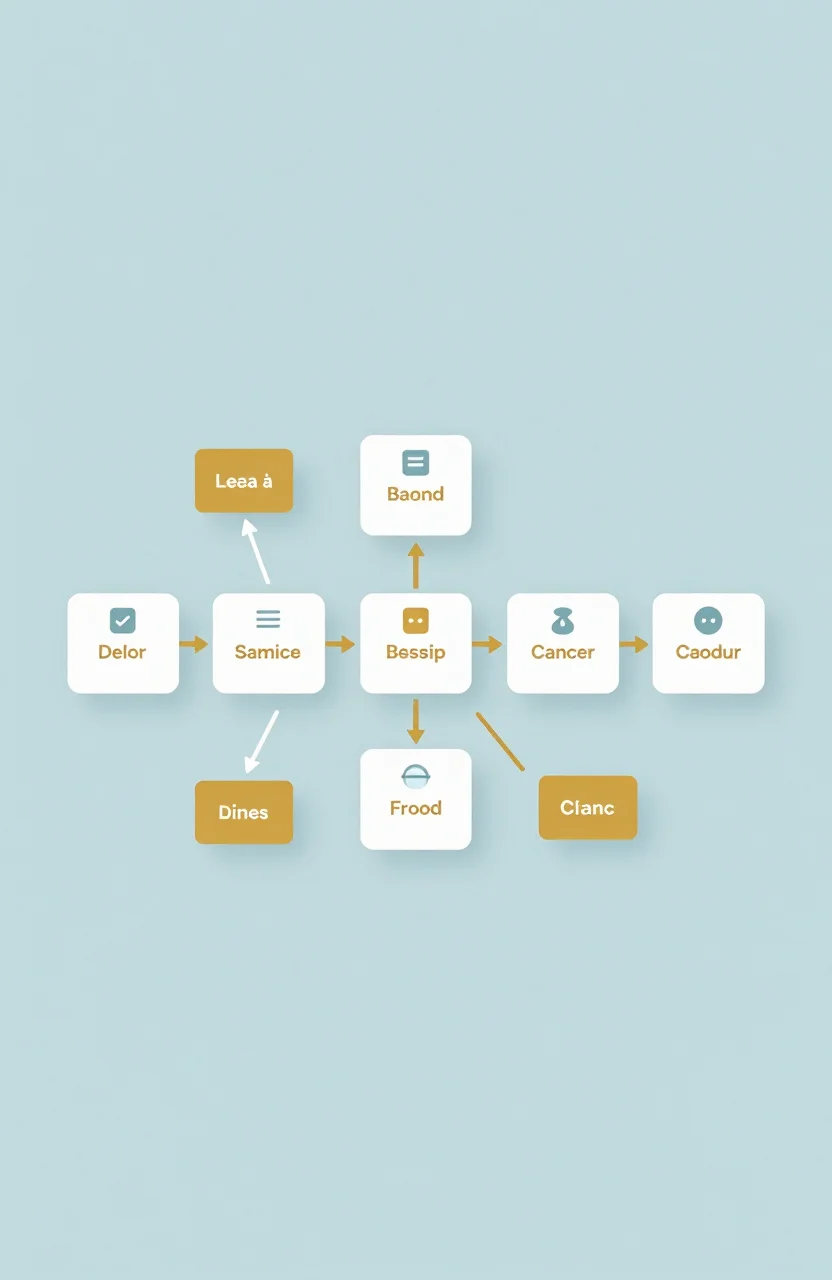

Most free SaaS promotion advice dumps twenty channels on your desk and pretends you can do them all this week. You cannot. What you can do is rank channels by effort, start with the cheap wins, and only climb the ladder when the floor is solid. That floor, for a lot of early products, is a WebProjectList listing: a few minutes of work for a dofollow backlink and a permanent place in front of founders who browse by category.
Effort ranking is not about skipping hard work forever. It is about refusing to burn a launch day, a guest post draft, or a Product Hunt first comment before you have a permanent discovery surface that keeps working when the spike ends. Free traffic is still traffic. The difference between founders who compound and founders who stall is which free work they do first.
Low effort channels that still move the needle
Low effort does not mean low quality. It means the time cost is measured in minutes, not days, and the upside is still real. Directory submissions sit here for a reason. A curated listing on WebProjectList puts your product into a browsable category instead of asking you to invent attention from scratch. You write a one-line job description, pick a category, submit, and move on. The listing stays live. The link stays live. You do not need to nurse it every afternoon.
Stack two niche directories after that, but only ones that match how buyers already search. An AI writing tool belongs in AI and productivity lists, not in a random "cool websites" dump. If you want a short, repeatable submission rhythm, the 20-minute directory submission routine is a useful companion to this ranking: same idea, tighter calendar.
Community answers also live in the low-effort band when you keep the rule tight. One helpful reply a week in a founder Discord, Indie Hackers thread, or niche subreddit beats a weekly pitch blast. Answer the question fully. Mention your product only when it fits. Profile links on many of those platforms pass value quietly, and the trust you earn compounds faster than a cold outreach sequence you will abandon by month two.
What belongs in this tier is anything you can finish before lunch without a design sprint, a landing rewrite, or a launch kit. If a channel needs a custom video, a press kit, and three days of reply duty, it is not low effort, even if the platform is free.
Medium effort plays that pay for weeks
Medium effort is where launches and comparison pages sit. A Product Hunt day is free in cash terms and expensive in attention. You need a story-led first comment, a working demo, and all-day replies. The link is often nofollow, but the press mentions, newsletter roundups, and user signups can last for weeks if the product is ready. Treat it as a scheduled event, not as your first discovery move.
Comparison and "alternatives" pages sit in the same band. Claiming a slot on AlternativeTo, SaaSHub, or a niche roundup takes research and a clear positioning line. Buyers who land there already know the category. They are shopping for a switch. That intent is why a medium-effort comparison page can outconvert a vanity traffic spike from an unrelated forum.
Guest posts and long community threads also belong here. A useful 1200-word walkthrough on a problem you solved can earn links for months. It costs a real writing day. It should come after the directory floor exists, not before. For the link mechanics behind these choices, the free backlink opportunities guide maps five-minute wins versus half-hour plays without pretending every free link is equal.
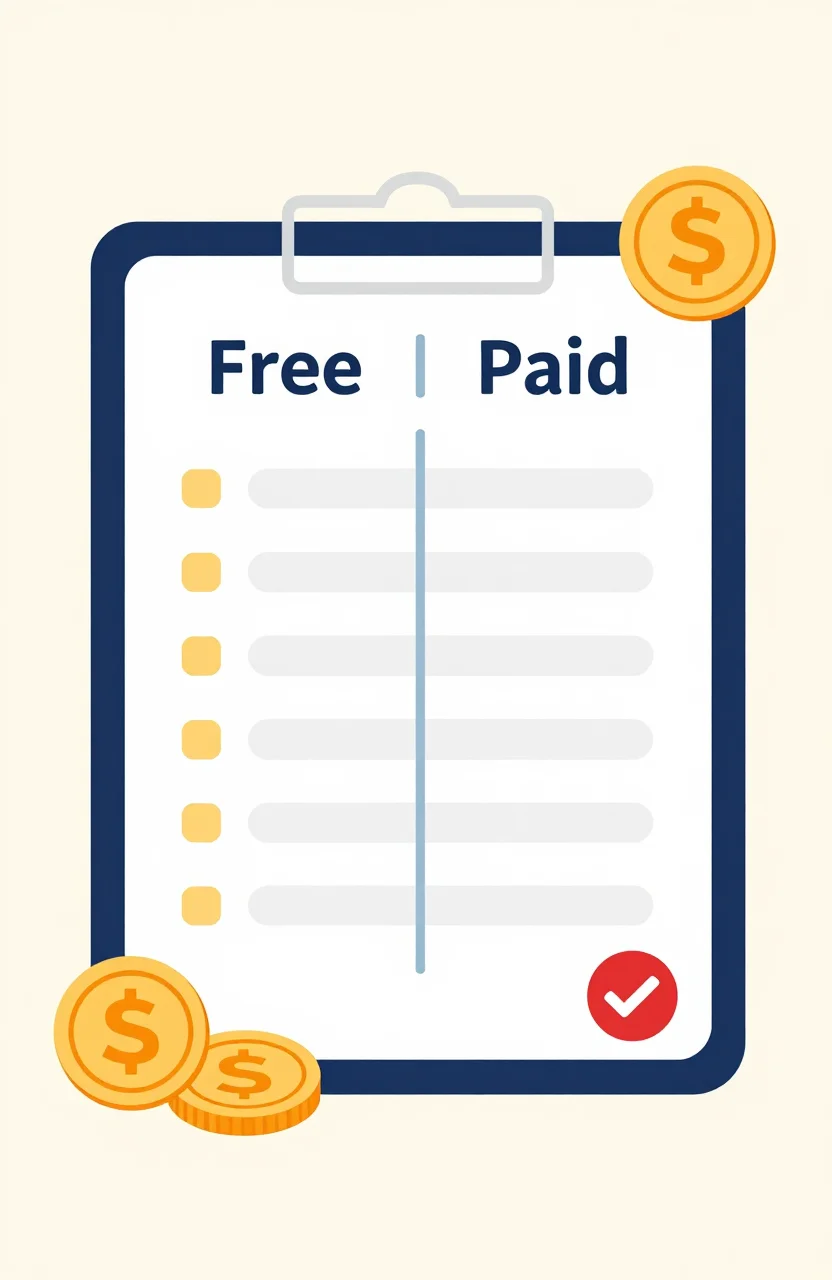
The trap in the medium tier is stacking three launches in the same fortnight. Each one needs reply energy. Spread them. Let WebProjectList hold the always-on base while you stage one louder channel at a time. If you need a budget frame for when free stops being enough, read free first, paid later after you have measured what free actually sent.
Higher effort work that compounds for months
High effort free promotion is content, public build logs, and small free tools. A post that answers a sharp question keeps attracting visitors long after you forget writing it. A changelog that shows shipping cadence attracts other builders. A tiny calculator or template that solves one painful step can earn links without a sales pitch. None of this is free in time. All of it can keep returning users when launch platforms go quiet.
The reason this tier sits last in an effort ranking is simple: unfinished content helps nobody. A half-drafted pillar post is worse than a finished directory listing. Ship the listing, ship two niche directories, ship one community habit, then open the content lane with a topic you can finish in one focused block. Tie the post back to a clear product job, not a vague "thought leadership" essay.
High effort also includes building a referral loop inside the product. Free visitors convert when the free tier shows value fast and the upgrade path is obvious at the limit. Capture an email early. Follow up with one concrete result a customer got. Promotion that ignores activation is just expensive curiosity.
Turn free visitors into users without sounding desperate
Free channels bring people. Your onboarding decides whether they stay. Surface the core job in the first session. Remove a signup wall that blocks the aha moment. If you use a coupon on a directory listing, keep it specific and time-bound so it feels like a welcome, not a fire sale. Browse how strong listings present themselves in the directory, then mirror that clarity on your own page.
Track referrals the way you would track paid ads. UTM the listing URL when the platform allows it. Watch which category pages send signups versus bounce. A practical tracking walkthrough lives in how to track referral traffic from directory listings. Without that loop, you will keep ranking channels by vibes instead of outcomes.
Skip the free tactics that look busy and die quickly: buying cheap links, blasting the same pitch into every community, and chasing unrelated audiences for vanity sessions. None of that compounds. Some of it triggers spam filters. Free promotion only works when the audience already cares about the job you do.
A practical order you can keep for 30 days
Week one: publish on WebProjectList, add two niche directories, and write one honest one-liner you reuse everywhere. Week two: one medium play, such as a comparison page claim or a carefully prepared launch. Week three: one high-effort content piece or build log that you can finish. Week four: review signups, referring domains, and replies. Double down on what moved numbers. Drop what only felt productive.
When motivation dips, lower the bar instead of breaking the chain. One community answer and a listing refresh beat a grand plan you abandon. Check the leaderboard for rhythm ideas from projects that keep showing up, and keep your own listing accurate after each release. For dofollow versus nofollow tradeoffs when you audit what you earned, the dofollow backlink guide keeps the scoring honest.
Effort ranking keeps you sane because every channel stops feeling equally urgent. WebProjectList sits near the top of the free list because the cost is tiny and the placement is permanent. Launches, communities, and content still matter. They work better when they stand on a floor that does not expire after a single noisy day.